
https://youtu.be/C1Zp9ZTSAX0?si=R8H_Xf86EJ_ofxvH
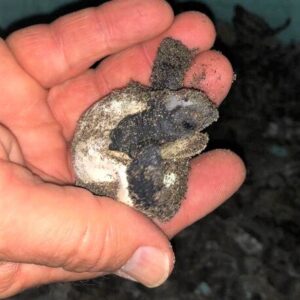
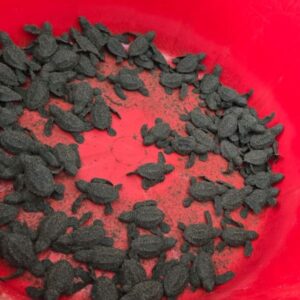
In August 2026 we released 4,000 baby sea turtles back into the sea!
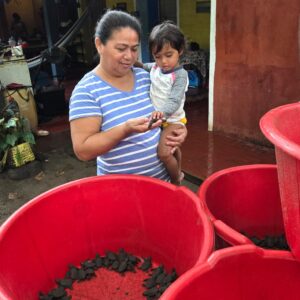
50 fishermen are voluntering their time after we lost government funding.
That is why YOUR support is so needed!


 *****
*****
Sadly support from ASA stopped the funding for 50 fishermen that we had last year –
the 50 fisherman have continued their work as volunteers and so far in 2025 we have released 10,000 baby turtles back into the sea!
Donate Here! We need a grassroots effort! PLEASE Support the Fisherman
The Olive Ridley sea turtle is best known for its diet based primarily on jellyfish. By feeding on them you not only maintain your own health, but also help control jellyfish populations in the ocean. This balance is essential, since an excessive proliferation of jellyfish can negatively affect other marine organisms. Thus, the olive ridley sea turtle becomes a natural ally in the regulation of this ecosystem.
The Brown sea turtle plays an equally important role in the health of our oceans. Their diet focuses on seagrass, which helps regulate seaweed populations. By keeping these populations in balance, brown turtles promote the health of coastal ecosystems, which are vital for many other marine species.


The Hawksbill turtle is also known for its varied diet, which includes both seaweed and jellyfish. Their “pruning” behavior of these populations contributes to maintaining the health of the seabed. By controlling the overgrowth of algae and jellyfish, hawksbill turtles help ensure that other organisms can thrive in their habitat.
Finally, the Leatherback Sea turtle not only feeds on sea sponges and jellyfish, but also plays a crucial role in transporting nutrients and removing san don beaches. This process helps maintain the structure and health of the beaches favoring marine life and coastal vegetation.
A call to protect the nation of El Salvador’s treasures.
Sea turtles are true treasures of our coastal ecosystems.
However, they face numerous threats, such as habitat loss, pollution and illegal fishing. It is essential that we become aware of their importance and work together to protect these magnificent creatures and their habitats. By preserving sea turtles and the beaches where they nest, we not only protect these species, but also ensure a healthier future for our oceans and the well-being of the communities that depend on them.
Let’s take care of our turtles and our beaches!
In 2024 we hired 50 fishermen to help with this conservation project: